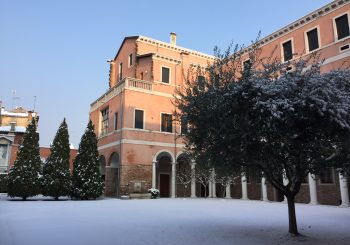
A magic atmosphere…

A magic atmosphere…
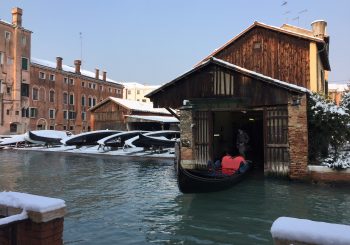
This morning we’ve got a beautiful surprise…

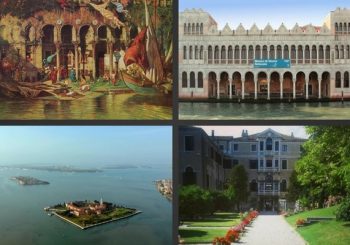
Historically, Venice, gateway to the East, has always welcomed people, cultures and religions. The foreign merchants had their own building, named fondaco (from Arabic فُنْدُق funduq) that was accessible by water: the ground floor was used for storage. It combined the functions of a palace, warehouse, market and restricted living quarters for its population. An example is the Fontego dei Turchi, which the Serenissima destined for Turkish merchants in 1621 and it was used for this purpose right up until 1838.
Now it is home to the Natural History Museum . Visiting the museum is a fascinating experience that brings many different senses into play. In each room, touch, sight and hearing all contribute to our understanding.
The Armenians settled for commerce in Venice since the thirteenth century. In the fifteenth century thanks to Caterino Zen’s embassy at Ussan Cassan, king of Persia and lord of Armenia, their importance grew considerably. In 1496 they built the small church of St. Cross of Armenians, and they enlarged it between 1682 and 1688, year of its consecration. In 1717, Father Mechtiar of Sebaste obtained in concession the island of San Lazzaro: he restored the romanic church and built the convent. Another Armenian site is Palazzo Zenobio, a research centre for Armenian studies.
From “DeTourism”
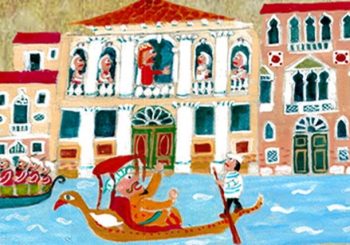
In Venice, a secular tradition compares the Venetian Mardi Gras and the Hebraic Feast of Purim that, sometimes, but not this year (28/02-1/03/2018) coincides with the period before Lent.
Purim (fate) has historical origins, it’s the day of deliverance from the destruction planned by Haman, minister of Assuero. It’s a day of feasting and rejoicing, and in the Ghetto of Venice, it was a custom (and partly still is) to dance, wear masks and offer sweets, in a Carnival-like atmosphere.
The stalls used to sell traditional sweets (bise, zuccherini, impade) and a puff-pastry in the shape of donkey’s ears, called Haman’s ears, very similar to the Venetian galani. So, for these similarities, and because Purim is also considered a “time of joy”, the popular tradion talks about the Carnival of the Jews
From “DeTourism”